
Inclusion and intergenerational design
The world of work looks very different to how it once did.
Not gradually or quietly different, but fundamentally different in the way people live, work and experience the environments around them. Our audiences are broader now, more diverse, more intergenerational and far more reflective of real life in all of its complexity.
And that is something worth celebrating.
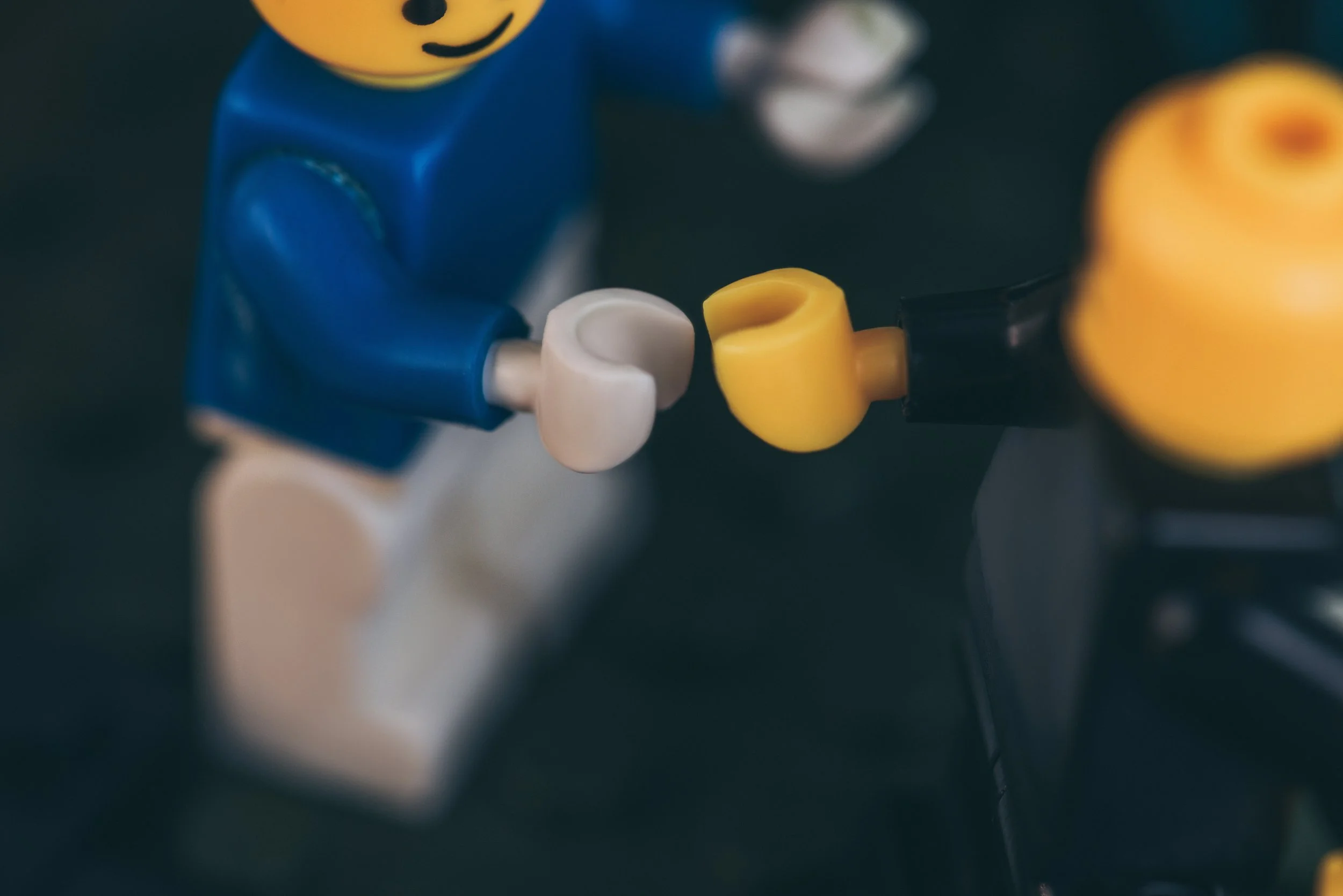
Recently, we found ourselves reflecting on this after seeing LEGO mark David Attenborough’s 100th birthday by adjusting its age guidance to 0–100+. A small detail perhaps, but a meaningful one. It recognised something we are seeing more and more clearly: creativity, curiosity and contribution do not belong to one generation alone. The world has changed, and the way we design experiences needs to reflect that.
People no longer fit neatly into categories, if they ever truly did. Interests, experiences, learning styles and ways of engaging are shaped by so much more than age, role or job title. And yet in many environments, including events, we still sometimes design as though one approach should work equally well for everyone.
But audiences are carrying very different realities with them when they walk into a room.
Within one event space there may be young carers balancing responsibilities outside of work, breastfeeding mothers navigating practical and emotional demands, delegates who are fasting, people living with physical or invisible disabilities and neurodivergent attendees processing the environment around them in completely different ways.
Alongside this, we now have multiple generations working side by side, all shaped by different experiences of technology, communication and workplace culture. Some people thrive in fast paced, highly stimulating environments, while others need quieter moments of reflection before contributing. Some enjoy app-led engagement and constant interaction, while others simply want the space to absorb information in their own way and at their own pace.
None of these needs are unusual. They are simply the reality of modern audiences.
Which raises an important question for anyone designing events and experiences. How do we create environments flexible enough to support different ways of learning, working and engaging, without making people feel singled out or managed?
For us, the answer often sits in thoughtful, flexible design. Quiet spaces away from stimulation. Different ways to access content. Clear communication before people arrive. Technology that supports the experience rather than dominates it.
There is something genuinely valuable about bringing different generations, perspectives and lived experiences together within the same space. We learn from each other constantly, often in ways we do not immediately notice. Different viewpoints reshape conversations and broaden the way we all see the world around us.
At Freestyle, we care deeply about creating environments where people feel considered, welcomed and able to engage in ways that feel natural to them. Not perfectly designed for every possible need, which is probably impossible, but thoughtfully designed with real people in mind.
The most memorable events rarely come from expecting everybody to experience something in exactly the same way. More often, they come from creating spaces where people feel comfortable enough to experience it as themselves.
We would genuinely love to hear other perspectives on this. Have you experienced moments where event design made you feel particularly included and supported? Or equally, moments where the environment made engagement feel harder than it needed to be?
If this resonates or challenges your thinking, we’d love to hear from you.
